Beyond Borders: Why Terroir is the Real MVP of Cigar Flavor
Welcome back to the blog, cigar enthusiasts! In our latest episode of "The Land Beneath the Leaf: Understanding Terroir in Cuban & Nicaraguan Cigars", we embarked on a journey that goes far beyond the simple geographical labels we often associate with our favorite cigars. We delved into the concept of terroir, exploring how the very earth, climate, and elevation where tobacco is grown profoundly impacts its flavor. This blog post is designed to expand on those fascinating insights, giving you even more tools to appreciate the intricate tapestry of flavors in every puff.
For many of us, the initial decision when selecting a cigar often boils down to a familiar question: "Cuban or Nicaraguan?" It's a shorthand, a starting point, but as we discovered in the episode, it barely scratches the surface of what truly defines a cigar's character. The true magic, the nuanced symphony of taste that makes each cigar unique, lies not in political borders or even seed varietals alone, but in the invisible forces of nature that shape the tobacco plant from its very inception. This post will unpack these elements, empowering you to taste the difference that terroir makes and truly elevate your cigar appreciation.
What is Terroir and Why Does it Matter for Cigars?
The term "terroir" is more commonly associated with the world of wine, where it’s understood as the unique environmental factors that contribute to the character of a wine, including soil composition, climate, and topography. However, this concept is equally, if not more, relevant to the world of cigars. Think of terroir as the indelible fingerprint of the land on the tobacco leaf. It’s everything the plant "can't escape" as it grows, absorb, and matures.
At its core, terroir encompasses three fundamental elements:
The Symphony of Terroir: Soil, Climate, and Elevation
Each puff of your cigar is, in essence, a direct message from the earth beneath the plant's roots. It carries the story of the minerals, the moisture, the sunlight, and the very air that the tobacco plant has absorbed throughout its life. Let's break down these crucial components:
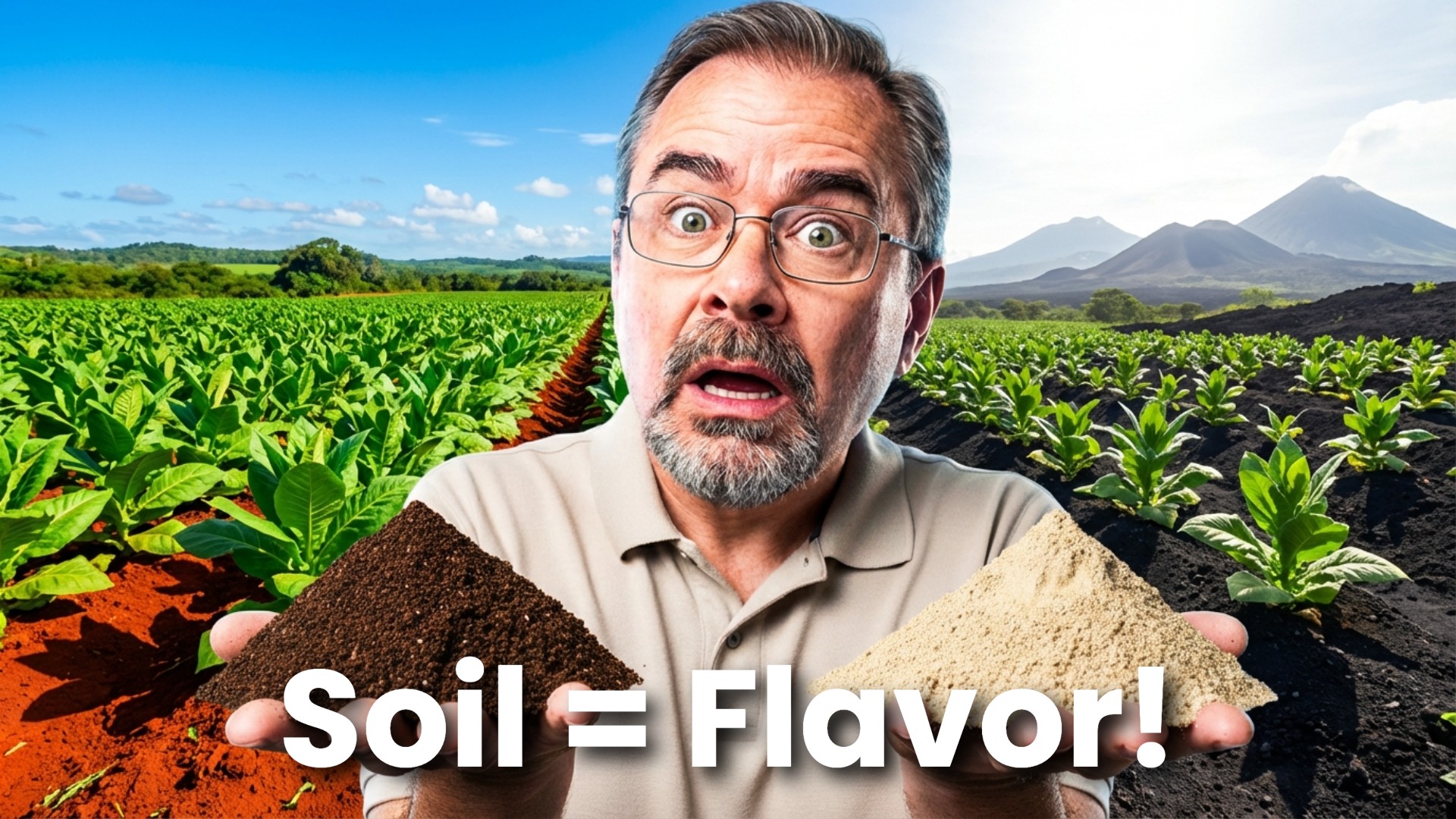
Soil: The Foundation of Flavor
The soil is arguably the most fundamental aspect of terroir. It's not just dirt; it's a complex ecosystem teeming with organic matter, minerals, and microorganisms that provide the nutrients essential for plant growth. Different soil types impart distinct characteristics to the tobacco leaf:
- Mineral Content: Soils rich in certain minerals can influence the leaf's flavor profile. For example, soils with a high iron content, often found in limestone-based regions, can contribute to a subtle mineral or even saline note in the tobacco. This is crucial in understanding the elegant, clean profiles often associated with certain origins.
- Drainage and Moisture Retention: The soil's ability to drain water or retain moisture significantly impacts the plant's hydration and nutrient uptake. Sandy loams, for instance, offer good drainage, preventing root rot while still providing adequate moisture. This balance is vital for healthy growth and optimal flavor development.
- Structure: The physical structure of the soil affects root penetration and aeration. Compacted soils can hinder root growth, leading to weaker plants and less flavorful leaves. Looser, more aerated soils allow roots to spread, drawing more nutrients and developing a more robust plant.
In essence, the soil acts as a pantry, providing the raw ingredients that the tobacco plant will transform into complex compounds responsible for aroma and taste.
Climate: The Dance of the Elements
Climate plays a dynamic and ever-changing role in shaping tobacco. It's a complex interplay of temperature, rainfall, sunlight, and humidity, all of which influence the plant's growth cycle and chemical composition:
- Temperature: Tobacco plants thrive within specific temperature ranges. Extreme heat can cause stress, leading to thicker, tougher leaves, while prolonged cold can stunt growth and reduce sugar development. The diurnal temperature variation (the difference between day and night temperatures) can also influence the plant's metabolism, leading to more complex flavor compounds.
- Rainfall: The amount and timing of rainfall are critical. Insufficient water can lead to stunted growth and concentrated flavors, while excessive rain can dilute the sugars and minerals in the leaves. Controlled irrigation, where possible, helps manage this crucial aspect.
- Sunlight: Sunlight is the energy source for photosynthesis, the process by which plants convert light energy into chemical energy. The intensity and duration of sunlight directly impact the development of sugars and other flavor precursors in the tobacco leaf. Sun-grown tobacco, exposed to direct sunlight, tends to develop thicker, oilier leaves with bolder flavors compared to shade-grown tobacco.
- Humidity: Humidity levels affect the plant's transpiration rate and the curing process of the harvested leaves. Consistent humidity can promote even growth and curing, leading to a more refined flavor profile.
The climate dictates not only how the plant grows but also how it matures, contributing to the leaf's inherent strength and aromatic qualities.
Elevation: The Altitude Advantage
While often overlooked, elevation plays a significant role in shaping tobacco, particularly in regions with varied topography:
- Temperature Gradients: Higher altitudes generally mean cooler temperatures. This can lead to slower growth, allowing the tobacco plant more time to develop complex flavor compounds. The cooler nights can also help the plant conserve energy, resulting in richer, more concentrated flavors.
- Sunlight Intensity: At higher elevations, the sunlight can be more intense due to thinner atmospheric layers. This increased solar radiation can further enhance the development of sugars and oils in the leaves.
- Air Purity and Microclimate: Higher altitudes often boast cleaner air and unique microclimates influenced by prevailing winds, surrounding vegetation, and topography. These factors can contribute subtle, yet distinct, aromatic nuances to the tobacco.
Elevation, in conjunction with soil and climate, creates a unique environmental signature that is then translated into the tobacco itself.
Cuban Terroir: Elegance from the Vuelta Abajo
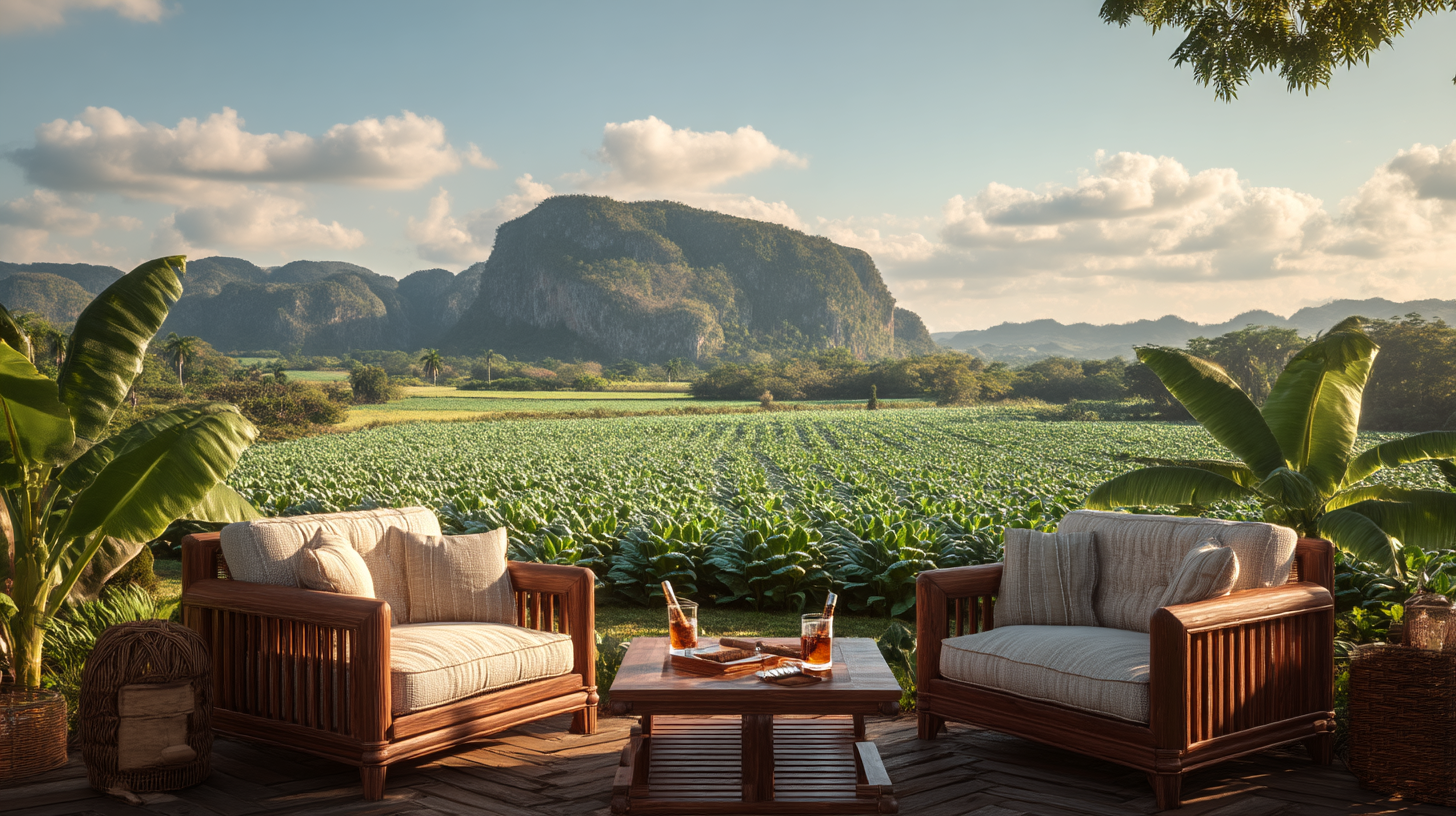
Cuba, particularly the famed Vuelta Abajo region, is renowned for producing some of the world's most sought-after tobacco. The terroir here is characterized by a unique combination of factors that contribute to the distinctive elegance and complexity of Cuban cigars.
- Soil: The soils of the Vuelta Abajo are typically rich in iron and are often a sandy loam overlying limestone. This specific composition provides a mineral-rich environment for the tobacco plants, contributing to the clean, almost saline, and subtly earthy notes often found in Cuban cigars. The limestone base helps with drainage while retaining essential nutrients.
- Climate: Cuba enjoys a stable, tropical climate with consistent humidity and warmth. The sea-level growth in much of the tobacco-growing regions ensures even development and a refined flavor profile. This stable environment allows for the gradual maturation of the tobacco, contributing to its layered complexity and smooth character.
- Result: The tobacco grown in this terroir is known for its exceptional elegance, refined aroma, and layered flavor profiles. Expect notes of cedar, leather, coffee, and a characteristic mineral edge that provides a clean and refreshing finish. The draw is typically smooth, and the burn is even, reflecting the meticulous cultivation and curing processes that are intrinsically linked to this terroir.
Nicaraguan Terroir: Boldness from Volcanic Lands
Nicaragua has emerged as a powerhouse in the cigar world, with distinct growing regions like Estelí, Condega, and Jalapa each offering their own unique terroir. The defining characteristic of Nicaraguan tobacco is its inherent boldness, often attributed to its volcanic origins.
- Soil: The volcanic soils of Nicaragua are incredibly fertile, rich in potassium and a wide array of minerals. This dark, nutrient-dense earth provides the ideal conditions for tobacco plants to develop thick, oily leaves with intense flavor. The volcanic ash contributes a unique minerality and a distinctive earthy character that sets Nicaraguan cigars apart.
- Climate: Nicaraguan tobacco often benefits from higher altitudes and greater temperature fluctuations between day and night compared to some other growing regions. This, combined with abundant sunlight, forces the plants to adapt and develop thicker, more resilient leaves with concentrated flavors. The varied topography also creates distinct microclimates within the country, leading to the nuanced differences between regions like Estelí and Jalapa.
- Result: Nicaraguan cigars are celebrated for their power, complexity, and robust flavor profiles. Expect prominent notes of black pepper, cocoa, espresso, and a rich, lingering mouthfeel. The leaves are often oilier and thicker, contributing to a fuller-bodied smoking experience. The intensity and depth of flavor are a direct testament to the vigorous growth spurred by the volcanic soil and the challenging yet rewarding climate.
How to Taste the Difference: Identifying Terroir in Your Smoke
Now that we understand the fundamental elements of terroir, how can we translate this knowledge into a more refined cigar tasting experience? The next time you light up, try to move beyond simply identifying flavors and consider the origin story of the leaf:
- For cigars with a "Cuban-style" profile (often from regions with similar soil and climate): Pay attention to the smoothness and elegance of the smoke. Do you detect subtle mineral hints, a touch of saltiness, or a clean, almost crystalline finish? The complexity should unfold in layers, revealing nuances rather than delivering a direct punch. The mouthfeel is often refined and the finish is clean, leaving a pleasant, lingering aroma.
- For cigars with a "Nicaraguan-style" profile (often from volcanic regions): Look for boldness and intensity. Is there a noticeable black pepper spice that tingles the palate? Do you taste rich cocoa, dark roasted coffee, or notes of earth and wood? The mouthfeel is likely to be fuller and more substantial, with a lingering finish that speaks to the power and complexity of the tobacco.
A crucial tip: Next time you're in the humidor, instead of just asking "Cuban or Nicaraguan?", ask yourself: "Does this cigar taste like limestone elegance or volcanic intensity?" This reframing of the question encourages you to think critically about the underlying factors that contribute to the cigar's character. Consider the tobacco's journey from seed to ash, and you'll begin to unlock a deeper appreciation for its flavor profile. Don't be afraid to experiment with cigars from different regions and compare their characteristics, keeping the principles of terroir in mind.
Conclusion: Listening to the Land for the Ultimate Cigar Experience
The age-old debate of "Cuban vs. Nicaraguan" is far more than a simple label battle; it's a story of terroir. In every draw, you're not just tasting tobacco; you're tasting years of weather, the very rock and soil that nurtured the plant, and the dedicated care of the farmers and rollers who transformed it. Understanding terroir enriches your cigar experience immeasurably, allowing you to appreciate the subtle nuances and vast differences that make each cigar a unique masterpiece.
So, when you reach for that next cigar, take a moment to listen to the land beneath your leaf. That's where the real, authentic flavor lives, waiting to be discovered. It’s a journey from the fertile earth to your palate, a testament to the incredible power of nature and human craftsmanship working in harmony. We hope this deep dive into terroir has opened your eyes – and your taste buds – to a new dimension of cigar appreciation. It's a journey we’re thrilled to continue with you.

Beyond the Hype: Finding Great Cigars You Can Actually Buy