Islay's Peat: More Than Just Smoke
Welcome to an exploration of Islay, the Scottish island that has captured the hearts (and palates) of whisky lovers worldwide. This rugged, windswept land owes its distinctive character to a seemingly humble substance: peat. But peat is more than just a fuel source; it’s the soul of Islay whisky, imbuing it with its signature smoky flavor and shaping its unique identity. In this blog post, we'll delve into the history, science, and cultural significance of peat, uncovering how it transforms barley into liquid gold.
This post is a companion piece to our latest podcast episode, Unlock the Smoky Secret Every Whiskey Lover Craves. If you enjoyed the episode and want to dive deeper into the peaty mysteries of Islay, then you're in the right place. Prepare to have your senses awakened and your understanding of Islay whisky forever enriched!
Introduction: Chasing the Smoke of Islay
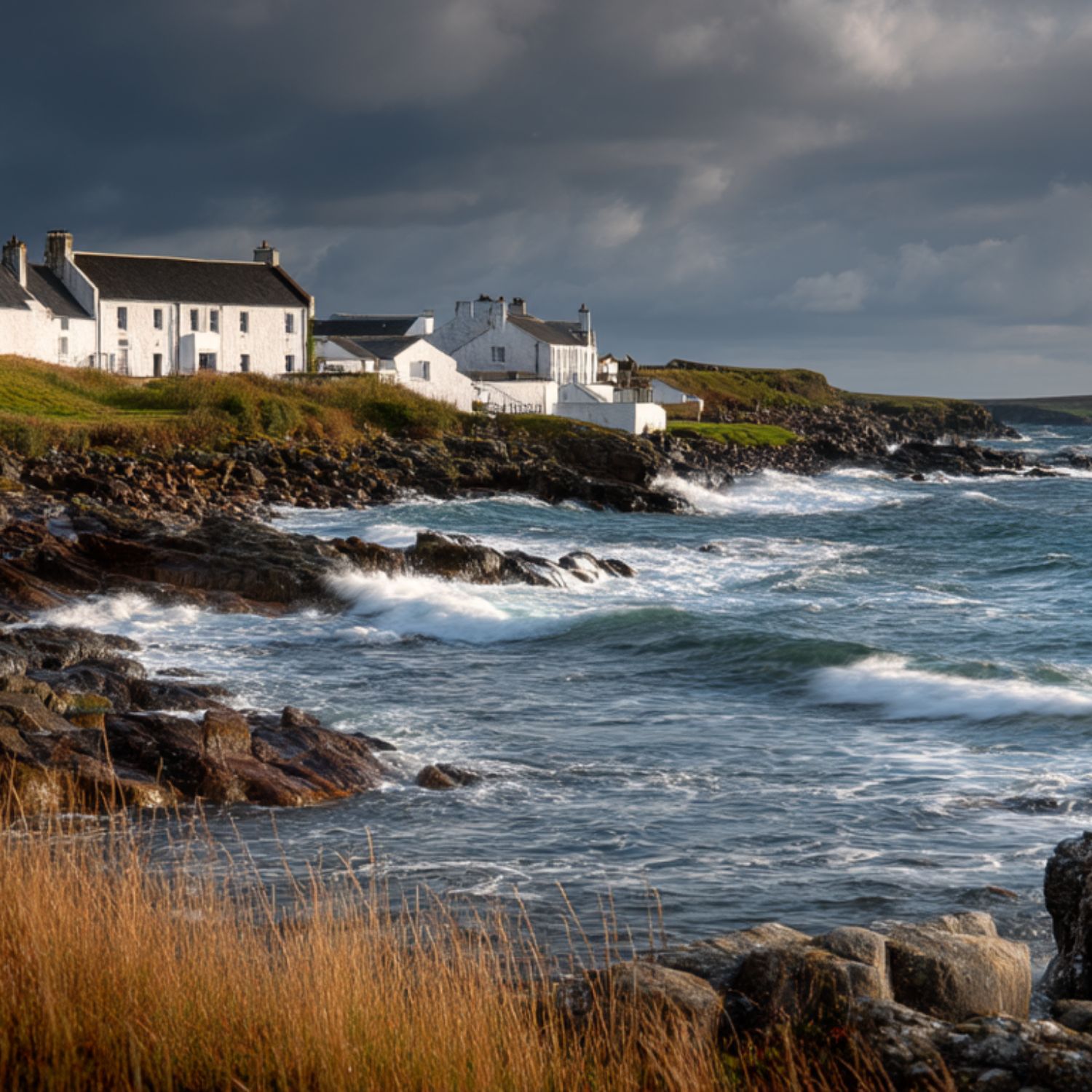
Imagine standing on the coast of Islay, the wind whipping at your face, the salty air stinging your nostrils. The landscape is a tapestry of green fields, rocky cliffs, and dark, brooding bogs. But overriding it all is a distinct aroma – the pungent, earthy, and slightly medicinal scent of burning peat. This is the scent of Islay, a scent that permeates everything on the island, from the air you breathe to the water you drink. It’s the scent that clings to your clothes and lingers in your memory long after you’ve left.
Islay is an island defined by its relationship with peat. For centuries, the islanders have relied on peat as a source of fuel for heating their homes and cooking their food. But it was the ingenious use of peat in the whisky-making process that truly transformed Islay and catapulted it to global fame. Peat is used to dry the malted barley, and it's during this crucial stage that the barley absorbs the characteristic smoky flavors that define Islay whisky.
The smoke is not just a flavor; it's an invitation. It's a beckoning call to explore the island's rich history, its unique terroir, and the dedication of the people who craft these exceptional whiskies. "Chasing the smoke" of Islay is a journey that leads you through rolling hills, past rugged coastlines, and into the heart of a centuries-old tradition. It’s an adventure that will tantalize your taste buds and leave you with a profound appreciation for the art of whisky making.
The Essence of Islay: Peat's Secret Ingredient Unveiled
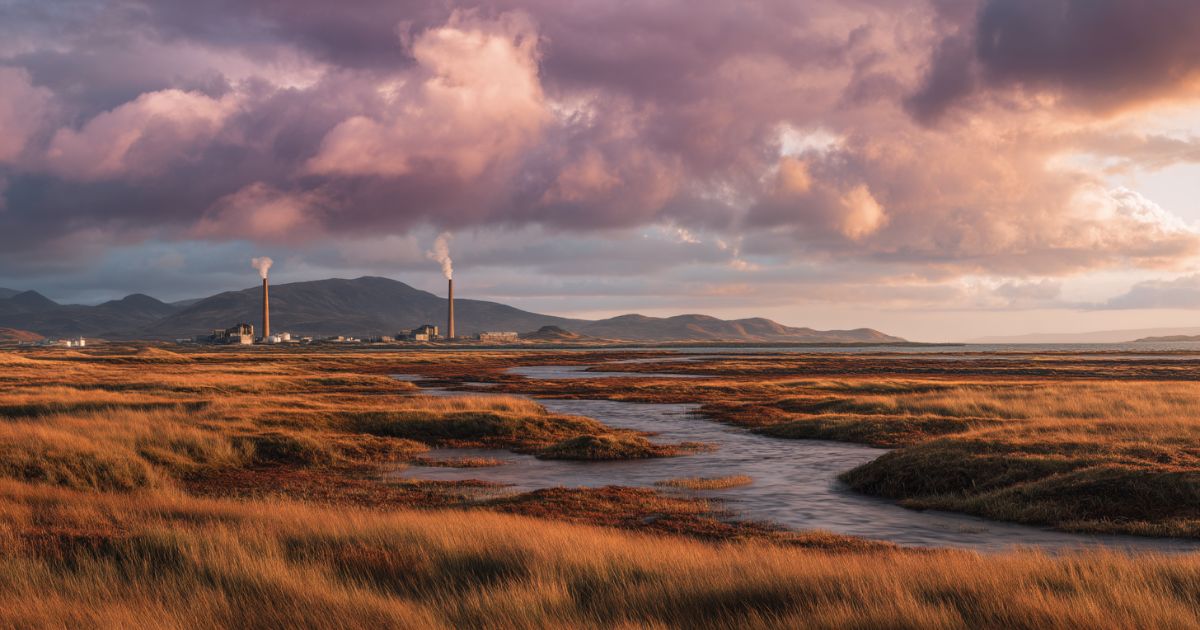
So, what exactly is peat, and why is it so important to Islay whisky? Peat is essentially partially decayed vegetation that has accumulated over thousands of years in waterlogged bogs. It's composed primarily of mosses, heather, grasses, and other plant matter that haven't fully decomposed due to the acidic, oxygen-poor environment of the bog.
The unique composition of peat varies depending on the specific location and the types of plants that have contributed to its formation. On Islay, the peat is particularly rich in heather, moss, and seaweed, which contribute to the distinctive smoky, earthy, and sometimes medicinal flavors found in the island's whiskies.
The process of using peat in whisky production involves several key steps. First, the peat is harvested from the bogs, typically during the summer months. The peat is then cut into blocks and left to dry in the open air. Once dried, the peat is burned in a kiln to dry the malted barley. As the barley dries, it absorbs the phenols from the peat smoke. Phenols are a group of aromatic compounds that are responsible for the smoky, medicinal, and earthy notes found in Islay whisky.
The level of peatiness in a whisky is measured in parts per million (PPM) of phenols. Islay whiskies are known for their high PPM levels, which can range from around 20 PPM to over 50 PPM. The higher the PPM, the smokier the whisky. However, the PPM level is not the only factor that determines the overall flavor profile of the whisky. Other factors, such as the length of time the barley is exposed to the peat smoke, the type of peat used, and the distillation process, also play a significant role.
Beyond the technical aspects, the use of peat in Islay whisky-making carries a deep cultural significance. For generations, the islanders have relied on peat as a vital resource. The knowledge of how to harvest, dry, and use peat has been passed down through families for centuries. Today, the distilleries on Islay continue to honor this tradition by using locally sourced peat in their whisky production, ensuring that the unique character of the island is preserved in every bottle.
Distillery Spotlight: Exploring the Southern Legends
Islay is home to nine world-renowned distilleries, each with its own unique character and style. The southern coast of Islay, in particular, is home to a cluster of distilleries that are famous for their heavily peated whiskies. Let's take a closer look at five of these legendary distilleries:
Laphroaig
Laphroaig is perhaps the most iconic of all Islay distilleries. Known for its bold, medicinal peatiness, Laphroaig is a whisky that divides opinions. Some find its intense flavors overpowering, while others are captivated by its complex character. Laphroaig is often described as having notes of iodine, seaweed, and sea salt, along with a distinctive smoky sweetness. The distillery's use of ex-bourbon casks further enhances the whisky's complexity.
Lagavulin
Lagavulin is another iconic distillery located on the southern coast of Islay. Lagavulin is famed for its slow distillation process, which helps to create a rich, dense whisky with a pronounced smoky character. However, Lagavulin's smoke is often described as being more refined and elegant than that of Laphroaig. The whisky also exhibits notes of dried fruit, maritime saltiness, and a subtle sweetness.
Ardbeg
Ardbeg is a distillery that has gained a cult following among peat enthusiasts. Ardbeg whiskies are known for their intense peatiness, with PPM levels often exceeding 50. Despite its smoky power, Ardbeg also exhibits a surprising amount of complexity, with notes of citrus, espresso, and dark chocolate emerging through the smoke.
Bowmore
Bowmore is the oldest licensed distillery on Islay, dating back to 1779. Bowmore offers a more balanced and approachable style of peated whisky. While still exhibiting a smoky character, Bowmore also showcases notes of tropical fruit, honey, and vanilla. The distillery's use of both bourbon and sherry casks contributes to the whisky's complexity and sweetness.
Kilchoman
Kilchoman is the newest distillery on Islay, having been established in 2005. Kilchoman operates as a farm-to-bottle distillery, growing its own barley on-site and using traditional methods of production. Kilchoman whiskies are known for their vibrant, earthy character, with a distinctive smoky note that reflects the island's terroir. This distillery marries tradition and innovation with vibrant, on-site-grown barley and peating.
Despite sharing the same raw materials – peat, water, barley – each of these distilleries produces a whisky with a unique character and flavor profile. This diversity is what makes Islay whisky so fascinating and rewarding to explore. Each distillery's story is one that's worth listening to, and each whiskey is one that's worth tasting.
The Art of Pairing: Balancing Fire and Flavor
Islay whiskies are known for their bold and distinctive flavors, which can make them challenging to pair with food and cigars. However, with a little knowledge and experimentation, it's possible to create pairings that elevate both the whisky and the accompanying item to new heights.
When pairing Islay whisky with food, it's important to consider the intensity of the whisky's flavors. Heavily peated whiskies, such as Laphroaig and Ardbeg, require equally bold and flavorful foods that can stand up to the smoke. Blue cheese, smoked meats, and dark chocolate are all excellent choices. For lighter, more balanced Islay whiskies, such as Bowmore, consider pairing them with seafood, grilled vegetables, or fruit-based desserts.
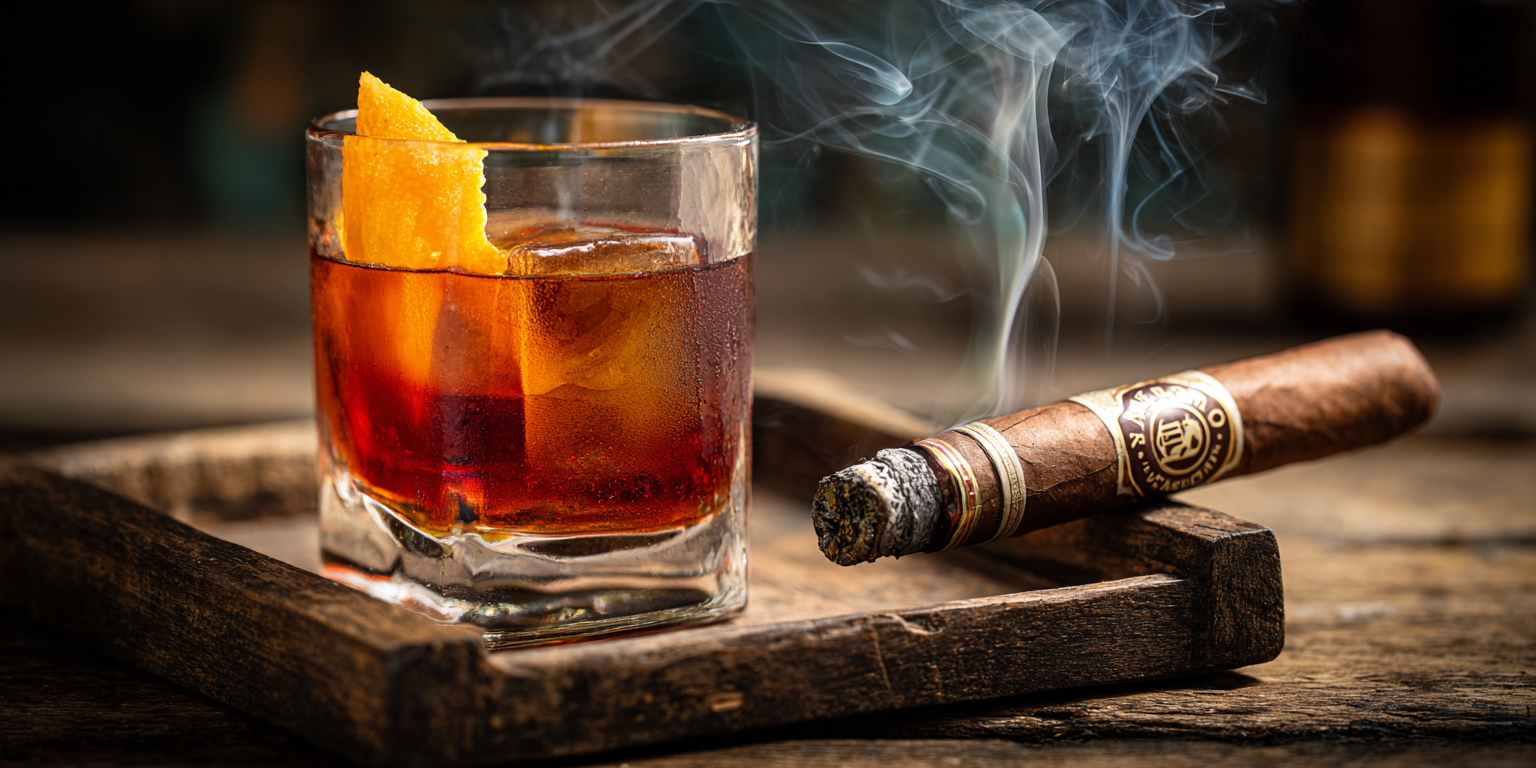
Pairing Islay whisky with cigars can be equally rewarding. The key is to find a cigar that complements the whisky's smoky, earthy, and spicy notes. Medium-to-full-bodied cigars with notes of leather, spice, and wood are generally a good match. Maduro wrappers, which tend to be sweeter and more robust, can also pair well with peated whiskies. A Connecticut broadleaf or bold maduro cigar is best when paired with Laphroaig 10.
In addition to food and cigars, Islay whiskies can also be paired with other beverages. Surprisingly, espresso and coffee drinks are suggested as revelatory companions, drawing out the whiskey's hidden sweetness. The bitterness of the coffee can help to cut through the whisky's smokiness, while the sweetness can enhance its underlying fruit and spice notes.
Ultimately, the best way to find the perfect pairing for an Islay whisky is to experiment and discover what works best for your palate. Don't be afraid to try new combinations and challenge your assumptions. The world of whisky pairing is a journey of discovery, and there's always something new to learn and explore.
Islay's Ritual: Memory in a Glass
Drinking Islay whisky is more than just consuming a beverage; it's an experience that engages all of the senses. The aroma, the taste, the texture, and the history of the whisky all contribute to a unique and memorable moment.
The ritual of drinking Islay whisky begins with the pouring of the dram. As the whisky enters the glass, it releases its aromatic compounds, filling the air with the scent of peat smoke, sea salt, and distant lands. Take a moment to appreciate the aroma before taking your first sip. Swirl the whisky gently in the glass to release even more of its volatile compounds.
When you finally take a sip, allow the whisky to coat your tongue and linger in your mouth. Pay attention to the different flavors that emerge as the whisky evolves on your palate. The initial burst of smoke may give way to notes of fruit, spice, or even medicinal herbs. The finish, which is the lingering taste after you swallow, can be particularly complex and rewarding.
As you savor the flavors of the whisky, consider its history and the people who crafted it. Think about the peat cutters who toiled in the bogs, the malt men who tended the barley, and the distillers who patiently coaxed the spirit from the stills. Each bottle of Islay whisky is a testament to their skill and dedication.
Drinking Islay whisky is also a way to connect with the island itself. The flavors of the whisky reflect the unique terroir of Islay, from the salty air to the peaty soil. With each sip, you're transported to this rugged and beautiful island, where the spirit of whisky is deeply ingrained in the culture.
Drinking Islay whisky isn't just something you do, it's something you experience. It's a connection to history, land, and the people who create this marvelous liquor. It's an experience that stays with you and reminds you of the unique magic found in every glass of Islay whisky.
Closing Thoughts: From Bog to Barrel, Spirit to Story
Islay whisky is a testament to the power of place, tradition, and human ingenuity. From the humble peat bog to the gleaming copper stills, every step in the whisky-making process is imbued with care and attention to detail.
The unique character of Islay whisky is a direct result of the island's environment. The peaty soil, the salty air, and the pure water all contribute to the distinctive flavors that define Islay whisky. The distilleries on Islay have learned to harness these natural resources and transform them into a liquid treasure that is enjoyed by whisky lovers around the world.
But Islay whisky is more than just a product of its environment. It's also a reflection of the people who make it. The distillers on Islay are passionate about their craft, and they are committed to preserving the traditions that have been passed down through generations. They take pride in their work, and they are constantly striving to improve the quality of their whisky.
So, the next time you raise a glass of Islay whisky, take a moment to appreciate the journey that it has taken from the bog to the barrel to your glass. Consider the history, the tradition, and the people who have made it all possible. And remember that with every sip, you're not just drinking whisky; you're experiencing a story.
We hope this blog post has deepened your appreciation for Islay whisky and the vital role that peat plays in shaping its character. For more on this topic, be sure to check out our latest podcast episode, Unlock the Smoky Secret Every Whiskey Lover Craves, where we delve even further into the smoky secrets of Islay. Cheers!

Beyond the Hype: Finding Great Cigars You Can Actually Buy