 Apple Podcasts
 Spotify
 Youtube Music
 PocketCasts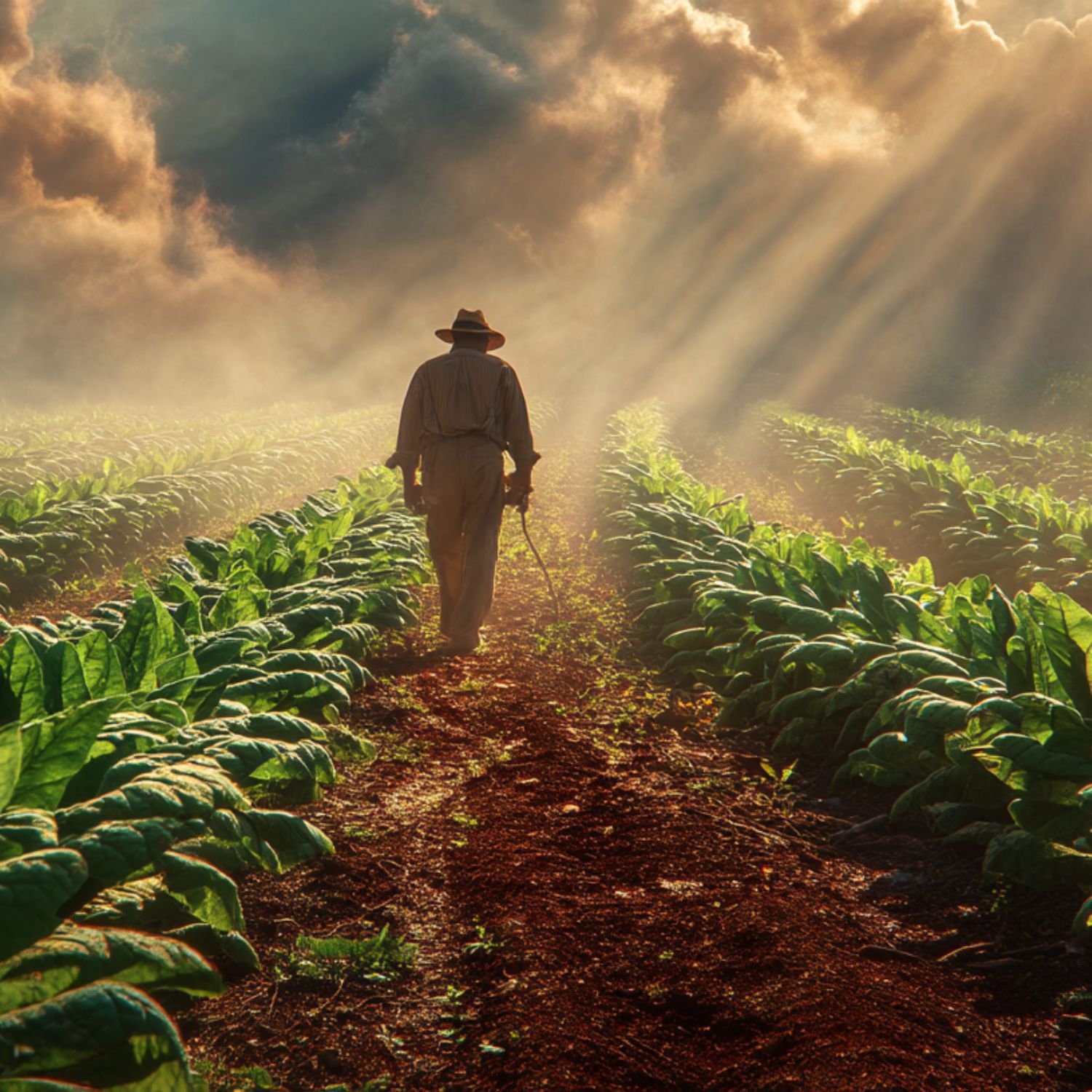
This episode of Smoke Signals dives into the legendary story of Corojo, the iconic Cuban tobacco leaf that transformed the world of premium cigars.
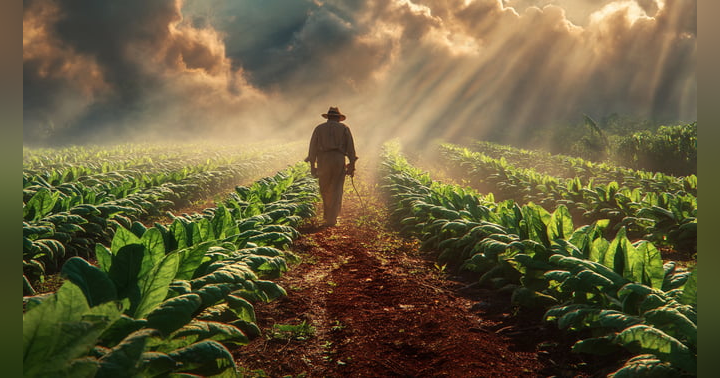
Listeners are taken to the red clay fields of Vuelta Abajo, where relentless innovation led to the creation of Corojo—famed for its silky texture, aromatic qualities, and golden sheen. The narrative traces Corojo’s rise, its fall amid Cuban political turmoil, and its genetic revival in modern Honduran, Nicaraguan, and hybrid cigar wrappers.
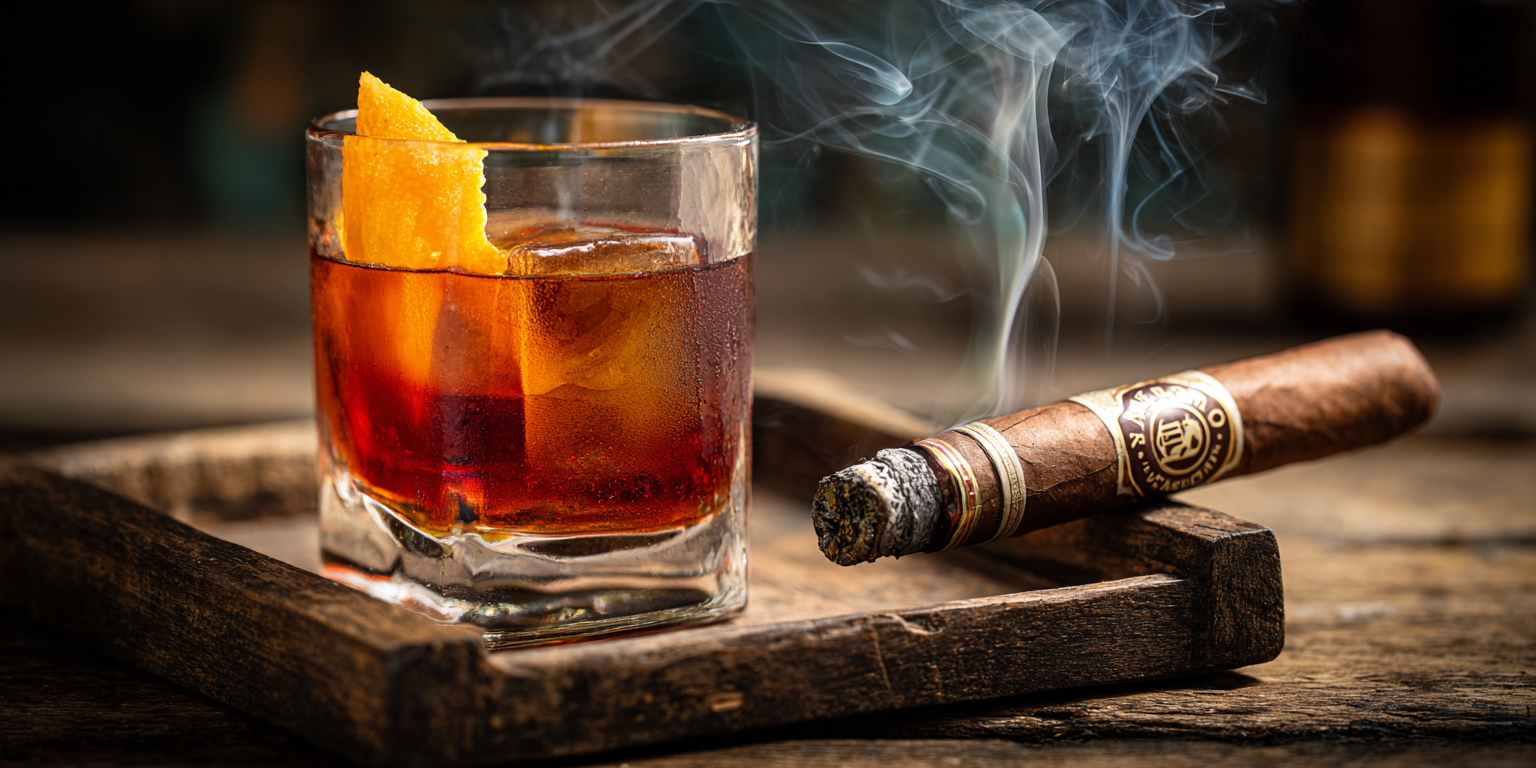
Perfect for cigar and whiskey aficionados, this episode uncovers traditions, agricultural breakthroughs, and the lasting influence of Cuban tobacco excellence on today’s cigar culture.


Show Notes: Smoke Signals – The Story of Corojo
Chapters:
The Obsession That Changed Cigars Forever [00:00:00]
Welcome to Smoke Signals [00:00:12]
A Madman’s Quest for Perfection [00:00:28]
Triumph in Cuba: The Birth of Corojo [00:01:30]
The Gold Standard and its Fragility [00:02:30]
Revolution and the Loss of Corojo [00:03:15]
Corojo’s Genetic Legacy: Hybridization & Renaissance [00:04:15]
The Flavor That Endured—Modern Corojo in Cigars [00:05:50]
The Farmer’s Legacy: Stubbornness & Love for the Leaf [00:07:12]
Closing Thoughts and Ways to Connect [00:07:38]
In-Depth Chapter Summaries
The Obsession That Changed Cigars Forever [00:00:00]Listeners are immediately transported to the fertile red clay of Cuba’s famed Vuelta Abajo region. The episode opens with a vivid portrait of one farmer’s relentless obsession with tobacco leaf perfection—a quest that would eventually redefine the flavor profile of cigars worldwide. This introductory moment sets the stage for a tale that’s as much about human passion as it is about agricultural innovation.
Welcome to Smoke Signals [00:00:12]The podcast welcomes aficionados and curious listeners alike, inviting them to immerse themselves in the rich tapestry of cigar and whiskey culture. It’s a call to savor both the flavors and the stories behind the world’s finest cigars and spirits. The inclusive tone urges listeners to settle in with a good drink and a great smoke—a prelude to the deep-dive storytelling ahead.
A Madman’s Quest for Perfection [00:00:28]Listeners meet Diego Rodriguez, the enigmatic Cuban farmer affectionately called “el loco del Tabaco.” The narrative details his years of tireless experimentation under lantern-lit nights, blending plants in pursuit of the ultimate wrapper leaf. Despite repeated failures and ridicule from neighbors, Diego’s stubborn determination leads him to innovate in both cultivation techniques and breeding—a testament to obsession and ingenuity.
Triumph in Cuba: The Birth of Corojo [00:01:30]One breakthrough season, Rodriguez’s experiment succeeds. A new strain emerges: taller, healthier, and more aromatic than any before. The name Corojo is born from Diego’s modest farm near San Luis, and soon, the leaf’s unique qualities—supple texture, rich aroma, and burn quality—capture the imagination of Havana’s elite cigar houses. Corojo quickly becomes the coveted wrapper for iconic Cuban brands, symbolizing excellence and status.
The Gold Standard and its Fragility [00:02:30]Corojo’s legendary status solidifies, but its delicate nature becomes apparent. Though prized for beauty and flavor, the leaf is notoriously difficult to cultivate—susceptible to sunburn, mold, and bitterness with minor lapses in care. The fragility prompts anecdotes from cigar rollers and underscores a paradox: Corojo is both highly sought after and challenging to produce, foreshadowing its eventual decline.
Revolution and the Loss of Corojo [00:03:15]Political upheaval arrives when Cuba’s tobacco industry is nationalized after Castro’s revolution. The upheaval leads to the exodus of many skilled growers—Corojo’s original cultivar can no longer meet the demands of mass production. Seeds are smuggled out, but the true, original Corojo is quietly retired. This chapter highlights the intersection of political history and agricultural legacy, with Corojo’s fate tied to broader social change.
Corojo’s Genetic Legacy: Hybridization & Renaissance [00:04:15]Moving beyond Cuba, the story shifts to the scientific innovations spurred by Corojo’s reputation. From the 1970s onward, agronomists crossbreed Corojo with heartier strains like Criollo, aiming for disease resistance and mass viability. The creation of Habano 2000 and further hybrids in Honduras and Nicaragua—such as Corojo 99 and Criollo 98—preserve the signature flavor while ensuring the leaf’s survival. Corojo’s DNA travels the globe, driving the cigar renaissance of the 1990s and beyond.
The Flavor That Endured—Modern Corojo in Cigars [00:05:50]The chapter explores how Corojo continues to influence modern cigar making. Authentic Corojo crops in places like Estelí, Honduras, and Ecuador carry the genetic legacy of Diego's creation. The narrative delves into tasting notes—earthy, peppery, and sweet—that have become the benchmark for aficionados. Corojo’s unmistakable flavor profile sets it apart, making it a marker of authenticity in today’s premium cigars.
The Farmer’s Legacy: Stubbornness & Love for the Leaf [00:07:12]This reflective chapter pays tribute to Diego Rodriguez, whose “stubbornness, obsession, and patience” echoes in every Corojo-wrapped cigar. The story highlights the poetic justice: Diego’s selfless pursuit wasn’t for fame or fortune, but for the love of the leaf. The human element—his care, conversations with plants, and unwavering belief—are celebrated as the true spirit behind great cigars.
Closing Thoughts and Ways to Connect [00:07:38]The episode closes with an invitation to share the podcast and continue learning about cigar culture. Listeners are encouraged to connect further for articles, reviews, and pairing tips.
Enjoyed the episode? Dive deeper into cigar and whiskey culture at cigarandwhiskeyguide.com for expert articles, reviews, and tips to elevate every puff and pour.
This is a public episode. If you would like to discuss this with other subscribers or get access to bonus episodes, visit www.smoke-signals.life
In the red clay of Vuelta Abajo, one farmer's obsession with a stubborn leaf changed the taste of cigars forever. Welcome to the Cigar and Whiskey podcast, where every episode takes you deeper into the stories, traditions, and flavors that make cigars and spirits unforgettable. So pour a glass, light a stick, and settle in. It was the early 1930s in western Cuba. The region tobacco growers called El Paraiso del Jumo the paradise of smoke. Here, the soil was red and rich, the air heavy with morning mist, and the smell of curing tobacco drifted through the valley like incense. Among the farmers was Diego Rodriguez, a quiet man with an ear for wind and an eye for leaf. His neighbors called him el loco del Tabaco, the tobacco madman, because he spent his nights cross breeding plants under lantern light, convinced he could teach tobacco to be stronger, silkier, and more beautiful. It was a strange ambition. In those days, most farmers were content to grow what their fathers grew. But Diego wasn't. He wanted a wrapper leaf so perfect it would shimmer like satin and taste like sunlight and spice. The problem was that every time he thought he'd done it, nature reminded him who was in charge. His early hybrids were thin, brittle, and constantly under attack by blue mold, the plant disease that haunted every Cuban farmer's sleep. When neighbors saw him burning another failed crop, they'd shake their heads. Diego's trying to reinvent tobacco. They'd laugh. Next he'll be breeding cigars that roll themselves. But Diego kept going. Year after year, crop after crop, he tested and tinkered. He planted under shade cloths, changed soil patterns, and even adjusted humidity by channeling water through the fields. And then, one season, something miraculous happened. A new strain began to rise. Taller, healthier, richer in color. When it cured, it gave off a deep, sweet aroma unlike anything else in the valley. He had done it. The seed came from El Corojo, the name of his modest farm near San Luis. And soon the leaf itself became known as Corojo. By the 1940s, word had spread through Havana's cigar houses that Diego's wrapper leaf was something special. It was supple, aromatic, and burned evenly with a reddish gold sheen. Factories competed to buy as many bales as they could. Corrojo became the gold standard. It soon wrapped the most famous cigars in the partigas. Montecristo, H. Upman Cohiba. Every brand that defined Cuban excellence carried corojo on its skin. The legend said that if a cigar wore corogo, it was dressed in royalty. But perfection comes at a price. Corojo was beautiful but fragile, a diva of a leaf. Too much sun and it blistered. Too much humidity and it molded. Too little care and it turned bitter. As one roller joked, corojo's like my ex wife, gorgeous, expensive and impossible to manage. Still, Diego's leaf endured for decades, defining the Cuban cigar's golden age. Then history shifted. When Fidel Castro rose to power in 1959 and nationalized Cuba's tobacco industry, everything changed. Factories were taken over, land was seized, and many of the island's best growers and blenders fled. Overnight, they carried what they could mostly memories and a few handfuls of seed hidden in shirt pockets. For those who stayed. Corojo was too delicate to export, and its limited yields couldn't sustain the new government's massive production demands. Within a few years, the original Corojo was quietly retired. But the leaf refused to die. Let's pause for a moment, and when we come back, I'll tell you how Corojo's genetic descendants now dominate the cigar world and how a forgotten farmer's obsession quietly rewrote the DNA of tobacco itself. You're listening to the Cigar and Whiskey Podcast, your companion for cigar culture, whiskey, wisdom, and everything in between. Want more? Visit us anytime@carnarandwhiskeyguide.com for articles, reviews and and pairing tips. When the modern cigar boom hit in the 1990s, tobacco scientists and growers were already chasing the ghost of Diego Rodriguez's creation. The problem was that true Corojo, beautiful as it was, had the constitution of fine silk in a thunderstorm, magnificent to look at, miserable to grow. In the 1970s and 80s, Cuban agronomists began experimenting with cross cultivation, blending Corrojo's flavor with sturdier strains like Criollo. Their goal was protect that signature spice and aroma, but make the leaf more resistant to blue mold, black shank and heavy rainfall. The result was the first major hybrid, Habano 2000. Tough, hardy, but still recognizable, it wasn't perfect. Many smokers found it a little bitter, but it proved something vital. Kurosho's DNA could travel. Soon, seed programs in Honduras and Nicaragua pushed even further. They developed Corojo 99, a more aromatic descendant, and Criollo 98, bred for elasticity and color consistency. Together they became the backbone of the premium cigar renaissance of the late 20th century. Even today, most modern rapper names Habano Rosado, Honduran Corojo, Nicaraguan Corojo Corojo 99 hybrid trace back genetically to Diego's original seed stock. The leaf's DNA has been crossbred, adapted and reimagined on nearly every continent where tobacco can be grown. And if you want proof of its reach, look no further than the fields of Esteli, Honduras, or Ecuador's cloud shaded valleys. Each carries a whisper of that red Cuban soil. As one agronomist joked, you can take the Kurosho out of Cuba, but you can't take Cuba out of Corroso. When the modern cigar renaissance blossomed in the 1990s, companies like Agonomorsa Leaf in Nicaragua proudly declared their harvest authentic Corojo. They weren't exaggerating. They were growing the great grandchildren of Diego's plant. And in an age where cigar smokers chase limited editions and exotic blends, Corrojo remains a badge of authenticity, a whisper from the past. In every puff, its flavor is instantly recognizable earthy, peppery, with a touch of sweetness that lingers like caramelized cedar, the kind of taste that makes even a seasoned smoker pause and say, that's real tobacco. The irony is that Diego Rodriguez never lived to see his work conquer the world. He died long before the revolution, long before the hybrids and the marketing buzz. But his fingerprints are everywhere. Every cigar that gleams with that reddish hue, every smooth, oily wrapper that burns evenly to the end. That's his legacy. And there's something poetic about it, isn't there? A farmer who refused to accept nature's limits changed an entire art form. He didn't do it for fame or fortune. He did it for love of the leaf, one of his surviving relatives once said. My uncle used to talk to his tobacco like it could hear him. Maybe that's why it listened. So the next time you smoke a cigar wrapped in Corrojo, think of the man in that red Cuban soil, squinting against the sun, whispering to his plants, convinced that somewhere inside them was perfection waiting to be found. He was right. And maybe that's what all great cigars have in common. A little stubbornness, a little obsession, and a lot of patience. Just like the people who smoke them. Thanks for listening to the Cigar and Whiskey Podcast. Subscribe and share with a fellow aficionado and keep the journey going@cigarandwhiskeyguide.com where every puff and pour has a story. | 00:00:00.160 - 00:07:49.350