 Apple Podcasts
 Spotify
 Youtube Music
 PocketCasts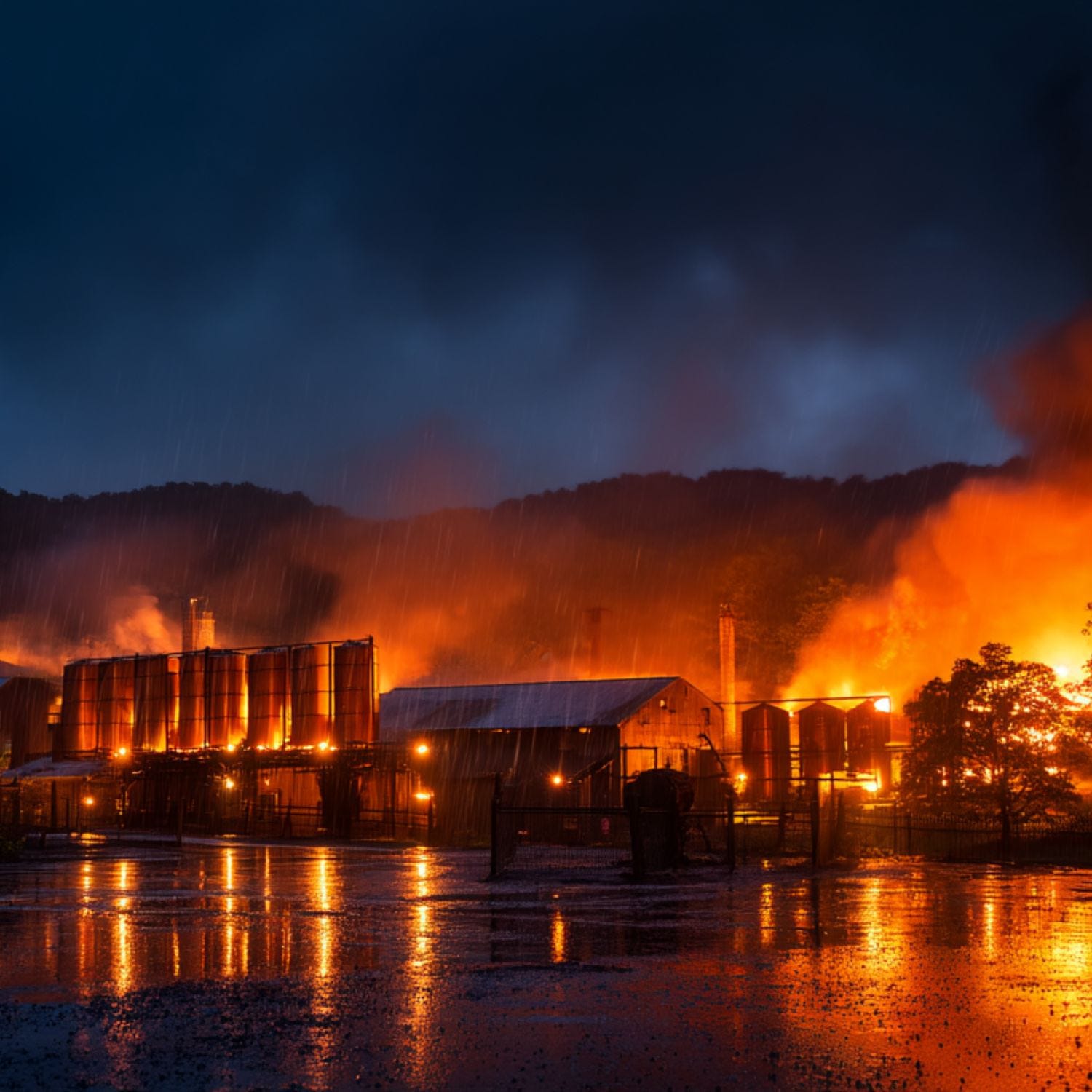
In this episode of Smoke Signals, hosts Bo Kauffmann and Smoke Signals Promo recount the dramatic 1996 Heaven Hill Distillery fire in Bardstown, Kentucky—a disaster that destroyed 90,000 bourbon barrels and threatened a cornerstone of American whiskey. The story highlights the solidarity among rival distillers, the determination of the Shapira family, and Heaven Hill’s remarkable recovery, including the acquisition of Bernheim Distillery and the rise of celebrated brands like Elijah Craig, Evan Williams, and Larceny. Listeners discover how resilience, community, and tradition turned catastrophe into bourbon legend, inspiring a new era and culminating in Heaven Hill’s return to Bardstown with a state-of-the-art distillery.


Show Notes: Heaven Hill Fire – Trial by Flame in Bourbon Country
Chapters:
A Storm Brewing: Setting the Scene for Disaster [00:00:00]
Inferno in Bardstown: The Night Heaven Hill Burned [00:00:29]
Kentucky’s Bourbon Brotherhood: Rivals Become Saviors [00:01:30]
From Ashes to Action: The Shapira Family’s Choice [00:03:30]
Rebirth & Renaissance: Heaven Hill’s Comeback [00:05:05]
Legacy Forged by Fire: Bourbon’s Lessons Endure [00:07:35]
A Storm Brewing: Setting the Scene for Disaster [00:00:00]
Smoke Signals opens with Bo Kauffmann transporting us to Bardstown, Kentucky, on a gloomy November afternoon in 1996. Heavy rain, thunder, and a feeling of eeriness hung over the quiet town – signs, he says, that locals felt something big was coming. Heaven Hill Distillery, a pillar of the bourbon world since 1935, was humming along as usual: workers moving barrels, checking rickhouses, maintaining traditions. The landscape was dotted with aging whiskey—from robust classics waiting for their moment to be bottled to rare barrels filled decades earlier. This was a place and a brand deeply rooted in American whiskey lore, with 100,000 barrels at stake.
Inferno in Bardstown: The Night Heaven Hill Burned [00:00:29]
Just after 2:00 pm, everything changed. A flash—perhaps lightning, maybe a snapped power line—triggered a blaze in Warehouse Y, packed with bourbon. The transcript paints an intense picture: whiskey vapor fueling a fire that winds pushed relentlessly. Seven warehouse structures were consumed, with barrels exploding in the heat, corks popping like gunfire, and a river of flaming whiskey spilling across Bardstown’s roads and creeks. Firefighters battled bravely but could do little against the torrents of super-heated, burning spirits. Asphalt melted, flames danced on water, and the disaster left locals with indelible memories—and Kentucky with a loss of 90,000 barrels, some irreplaceable and aging since the 1970s. It was a loss of both product and history.
Kentucky’s Bourbon Brotherhood: Rivals Become Saviors [00:01:30]
The response from Kentucky’s bourbon community set this tragedy apart. Heaven Hill’s competitors—Brown-Forman, Jim Beam, and Wild Turkey—came together, offering stills, warehouse space, and bottling resources. Bo calls it “family bourbon,” comparing this moment of unity with Ford lending engines to Chevrolet or Coke sharing shelf space with Pepsi. For the bourbon world, rivalry vanished as production knowledge, equipment, and space were shared to ensure Heaven Hill’s brands lived on. While firefighters did what they could, it was the kindness of neighboring distillers that ensured Heaven Hill would survive. Heaven Hill’s recipes—Elijah Craig, Evan Williams, and more—were distilled and bottled under borrowed roofs until the company could rebuild. This collaboration wasn’t about publicity or short-term gain—it was about protecting tradition and legacy.
From Ashes to Action: The Shapira Family’s Choice [00:03:30]
Inside Heaven Hill’s office, the Shapira family faced unprecedented challenges. With 44 warehouses scattered through the hills, 37 survived the fire thanks to a fortunate shift in the wind at the last minute. But barrels alone don’t make whiskey—you need stills, people, and bottling lines. Amid smoke-stained blueprints and insurance papers, Max Shapira, the president, had tough decisions to make: should Heaven Hill stay in Bardstown, or move on from the ruined site? The transcript details their resolve. They chose to persevere, keeping operations alive using whatever survived, aging whiskey as planned, and leveraging the stored inventory for future releases.
Rebirth & Renaissance: Heaven Hill’s Comeback [00:05:05]
Heaven Hill not only endured but used adversity wisely. The forced pause in bottling meant certain barrels aged longer than planned, resulting in deeper, richer whiskeys—legendary releases whispered about among aficionados. The company doubled down on family ownership, fair pricing, and commitment to quality. In 1999, Heaven Hill bought the Bernheim Distillery in Louisville, upgrading to state-of-the-art production. By 2000, they were distilling again—same mash bills, same patience, but with new facilities and renewed ambition. The Bernheim expansion allowed Heaven Hill to become one of the largest distillers in the country, with brands like Elijah Craig, Larceny, and Evan Williams helping ignite bourbon’s early-2000s resurgence.
Legacy Forged by Fire: Bourbon’s Lessons Endure [00:07:35]
The final act is one of reflection and forward momentum. The fire never left Heaven Hill’s story—every decision is infused with memories of how quickly life can change. Staff now joke that Heaven Hill whiskey is “so good even lightning wants a taste,” but beneath the humor is a testament to resilience. In 2021, Heaven Hill broke ground on a state-of-the-art distillery in Bardstown, a proud return to their origins. The new Heaven Hill Springs Distillery stands as a symbol of recovery and hope. The episode closes with Bo reminding us that bourbon teaches patience, transformation, and bravery in disaster—the kind that forged the Heaven Hill legend. Every glass poured today is legacy, community, and determination in liquid form.
Craving more behind-the-scenes stories and tasting wisdom? Visit the Cigar and Whiskey Guide blog at cigarandwhiskeyguide.com—your hub for expert articles, reviews, and pairing tips to take your appreciation of cigars and spirits to the next level. Every puff and pour has a story, so join the journey!
This is a public episode. If you would like to discuss this with other subscribers or get access to bonus episodes, visit www.smoke-signals.life
In the fall of 1996, the hills of Bardstown glowed orange as fire devoured Heaven Hill Distillery, and bourbon's future hung in the balance. Welcome to the Cigar and Whiskey podcast, where every episode takes you deeper into the stories, traditions and flavors that make cigars and spirits unforgettable. So pour a glass, light a stick, and settle in. It was November 7, 1996, a gray, heavy Kentucky afternoon that began with thunder and ended in fire. Bardstown, the quiet heart of bourbon country, was blanketed in low clouds and the scent of rain. Locals would later say the air felt strange, charged, as if the sky itself knew what was coming. At the Heaven Hill distillery, men were moving barrels, checking rick houses, going about a day's work they'd done for decades. The company had been family owned since 1935, through wars, recessions, and the ups and downs of America's taste for Whiskey. By the mid-90s, Heaven Hill was one of Kentucky's most prominent producers, with nearly a hundred thousand barrels aging in wooden cathedrals that dotted the rolling hills. Then, sometime just after 2:00', clock, a flash lit the sky. Lightning struck, or maybe a power line snapped, and warehouse Y stacked floor to ceiling with bourbon, erupted in flame. There's no such thing as a small distillery fire. Whiskey vapor ignites like rocket fuel, and when the wind picked up, gusting over 70 miles an hour, it turned one burning building into seven. Barrels burst from the heat, corks popped like gunfire, and a literal river of fire began to flow downhill, a stream of burning whiskey rolling through the grass and onto the road. If you've ever opened a bottle of bourbon too close to a campfire, you know that smell. Multiply it by 90,000 barrels and you've got yourself a Kentucky barbecue no one asked for. Firefighters tried to reach it, but the heat was unbearable. Asphalt bubbled under their boots. Some of the whiskey burned on the creek, flames dancing on water, a sight no one in Bardstown would ever forget. Within three hours, the distillery and seven warehouses were gone. 90,000 barrels of bourbon, nearly 2% of the world's supply, were destroyed. In that single night, Kentucky lost not just whiskey, but history. Some of those barrels had been aging since the 70s, waiting for the perfect moment to be bottled. That moment would never come. And yet the story doesn't end there. Of 44 warehouses scattered around the hills, 37 survived. The fire stopped short, the wind shifting at the last possible moment. In those unburned rick houses rested enough bourbon to give Heaven Hill a fighting chance. But barrels alone don't make whiskey. You need Stills, bottling lines and people. And here's where the legend turns human. When words spread that Heaven Hill had burned, rival distillers didn't hesitate. Brown, Forman, Jim Beam, Wild Turkey. All the big Kentucky names called within hours. They offered their stills, their equipment, even warehouse space to help keep Heaven Hill's labels alive. The local fire crews had done everything they could, but you can't exactly fight a blaze made of 100 proof bourbon with a garden hose. The air itself was flammable. Imagine Ford loaning engines to Chevy or Coke offering Pepsi some shelf space. That's how strange it was in Kentucky, though. Rivalry stops where the barrel starts. It wasn't a marketing stunt or a trade favor. It was family bourbon. Family competitors became caretakers, bottling Heaven Hills recipes under borrowed roofs until the company could rebuild. Inside Heaven Hill's offices, the Shapira family gathered around a table strewn with smoke stained blueprints and insurance papers. Max Shapira, then president, had to decide. Rebuild here in Bardstown or move on. The site was in ruins, power lines down, warehouses charred. But the family's spirit wasn't. They chose survival first. They worked from what was left, those 37 rick houses aging quietly through the chaos. Then, in 1999, Heaven Hill made a bold move. They bought the Bernheim Distillery in Louisville from United Distillers. It was modern, efficient, and big enough to become their new production home. By 2000, they were distilling again. Identical mash bills, same patience, new stills. The whiskey continued to age back home in Bardstown, and the bottling plant resumed operations. The company wasn't just recovering, it was evolving. Let's take a short break, and when we come back, I'll tell you how that same fire didn't just test Heaven Hill, but reshaped bourbon's entire future. You're listening to the Cigar and Whiskey Podcast, your companion for cigar culture, whiskey wisdom and everything in between. Want more? Visit us anytime@carnarandwhiskeyguide.com for articles, reviews and pairing tips. When the smoke cleared, Heaven Hill could have quietly faded into history, another casualty of bad luck and flammable ambition. Instead, they rebuilt stronger than ever. Those surviving warehouses became the heartbeat of a comeback story that's now part of bourbon lore. From those barrels came releases that bourbon lovers still whisper about. Bottles aged longer than planned because of the fire's forced pause. Rich, deep, unforgettable. The company used that pause wisely. They studied what had survived the community, the quality, the values that mattered most. While others chased trends, Heaven Hill doubled down on family ownership, extended aging, fair pricing and people noticed. By the early 2000s, their brands Elijah Craig, Evan Williams, Larceny were leading the charge in bourbon's quiet renaissance. And the Bernheim facility. It expanded again and again, each time keeping pace with demand until it became one of the most productive distilleries in the country. Yet for all the success, the fire never left Heaven Hills story. Ask anyone who works there today and they'll tell you that night still echoes in every decision they make. It's a reminder of how quickly everything can vanish and how resilience isn't born from comfort, but from chaos. These days they joke that Heaven Hill makes whiskey so good even lightning wants a taste. They earned the right to laugh about it. 25 years later, Heaven Hill came full circle. In 2021, the company broke ground on a brand new, state of the art distillery back in Bardstown, the Heaven Hill Springs Distillery, just a few miles from where the fire burned. The new site symbolizes a return to roots, but also a promise that The Flames of 1996 won't be the final chapter, only a spark in a much larger story. And maybe that's what bourbon teaches best, that time heals, oak transforms, and even through disaster, something extraordinary can emerge. Whiskey is patient, but the people behind it have to be brave. So the next time you pour a glass of Elijah Craig or sip a little Evan Williams, remember every drop carries a legacy born from smoke, community and sheer determination. The river of fire that once threatened to wipe Heaven Hill from the map ended up forging its identity instead. Every spirit has its trial by flame, and Heaven Hills became a story worth toasting to. From ashes to oak, from ruin to rebirth, Bourbon endures. Thanks for listening to the Cigar and Whiskey Podcast. Subscribe and share with a fellow aficionado and keep the journey going@cigarandwhiskeyguide.com where every puff and pour has a story. | 00:00:00.160 - 00:07:46.700
